
Full-Mouth Restoration in Odesa
When many teeth are worn down, broken or missing, treating them one at a time rarely works. Full-mouth restoration rebuilds the whole dentition to a single plan, combining therapeutic treatment, implants and ceramic restorations so that the bite, chewing function and appearance are corrected together.
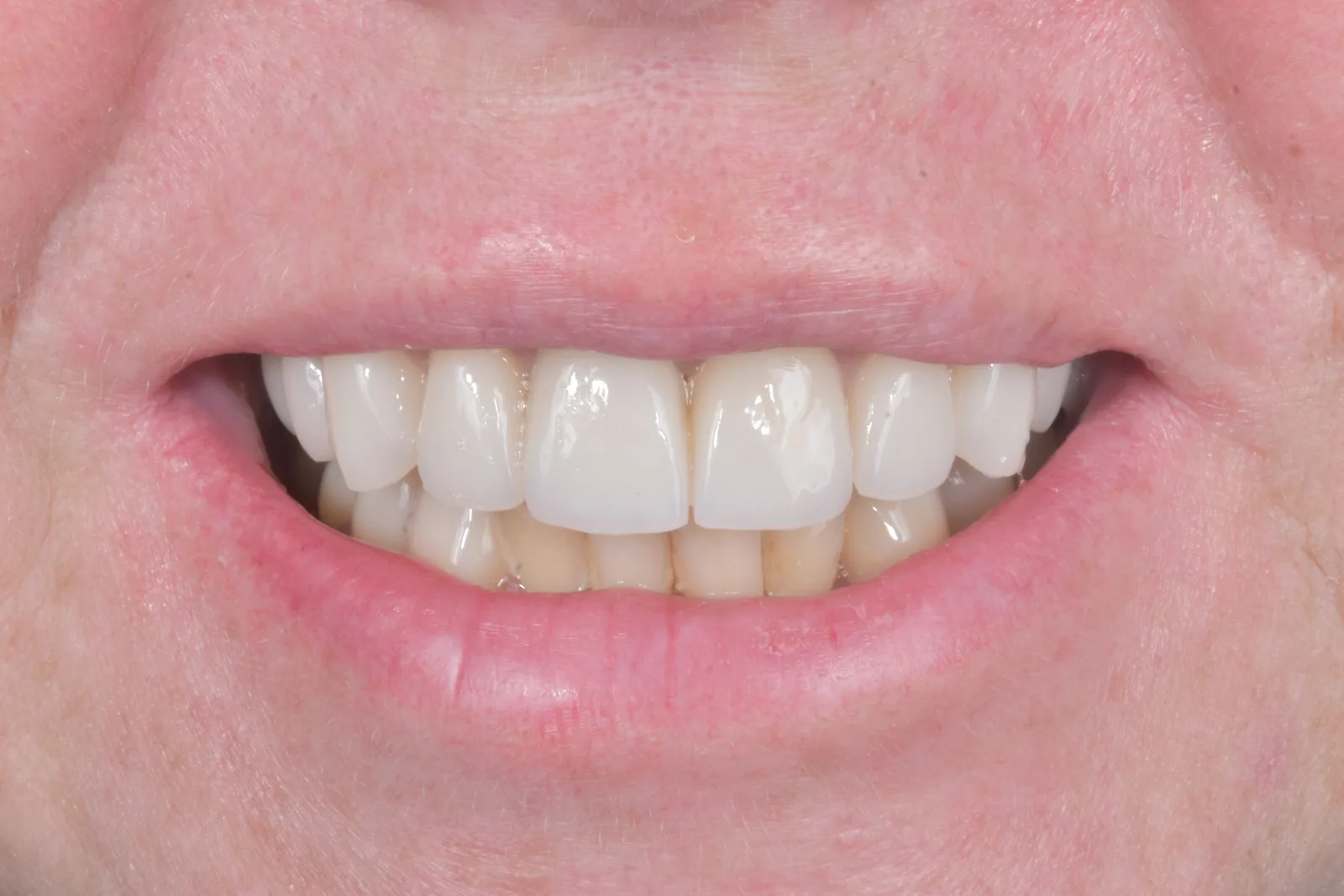
Who needs a full-mouth restoration
This treatment is for patients whose problem is no longer a single tooth but the whole dentition. Typical situations include:
Diagnosis and planning
A full-mouth case is won or lost at the planning stage. Before any treatment begins, the doctor builds a complete picture:
Stages of treatment
The work is deliberately staged. Each stage is completed and checked before the next begins, and you keep functional, presentable teeth throughout.
- 1
Stabilisation
Inflammation is treated, teeth that cannot be saved are removed, and the teeth that can be saved are treated therapeutically, with root canals done under a microscope where needed.
- 2
Implant placement
Titanium implants are placed in the planned positions to replace missing teeth and to carry the future restorations. They then need time to integrate with the bone.
- 3
Temporary restorations
Temporary crowns rebuild the planned bite height and tooth shape. You live with them for a period, so any correction is made before the permanent work is fabricated.
- 4
Permanent ceramics
Ceramic and zirconia restorations are made to the approved shape and fitted on both the natural teeth and the implants.
- 5
Maintenance
A protective night guard where indicated, plus regular hygiene visits and check-ups to protect the result long term.
Implants and ceramics
Full-mouth work combines two disciplines: implants replace what is missing, ceramics rebuild what remains. Missing teeth are restored with titanium implants topped with zirconia crowns, positioned from a 3D scan. Surviving teeth are restored with ceramic crowns, onlays or veneers, chosen according to how much healthy structure is left. Planning both together means the chewing load is shared correctly across the whole arch instead of being concentrated on a few teeth.
How long treatment takes
Full-mouth restoration is measured in months rather than visits. The stabilisation stage depends on how much therapeutic and surgical work is required. Implants then need several months to integrate with the bone before they can carry the final restorations. Temporary crowns are worn throughout that period, so you are never left without teeth. The exact timeframe is specific to your case and is set out in the written plan after diagnosis.
Cost
A full-mouth restoration is always calculated individually. The cost depends on how many teeth can be saved, how many implants are needed and which restorations are chosen, so it can only be established honestly after diagnosis and a treatment plan. You receive the full staged cost in writing before treatment begins, and because the plan is carried out in stages, payment is spread across them rather than falling due all at once.
The consultation, including the photo protocol, X-ray and treatment plan, costs 500 UAH.
Real full-mouth cases
Complete rehabilitations combining therapy, implants and ceramics on both teeth and implants, each documented step by step with before and after photographs.
 BeforeAfter
Full-Mouth Rehabilitation
Complex bite pathology and broken-down teeth, rebuilt with therapy, implants and ceramics
View Full Case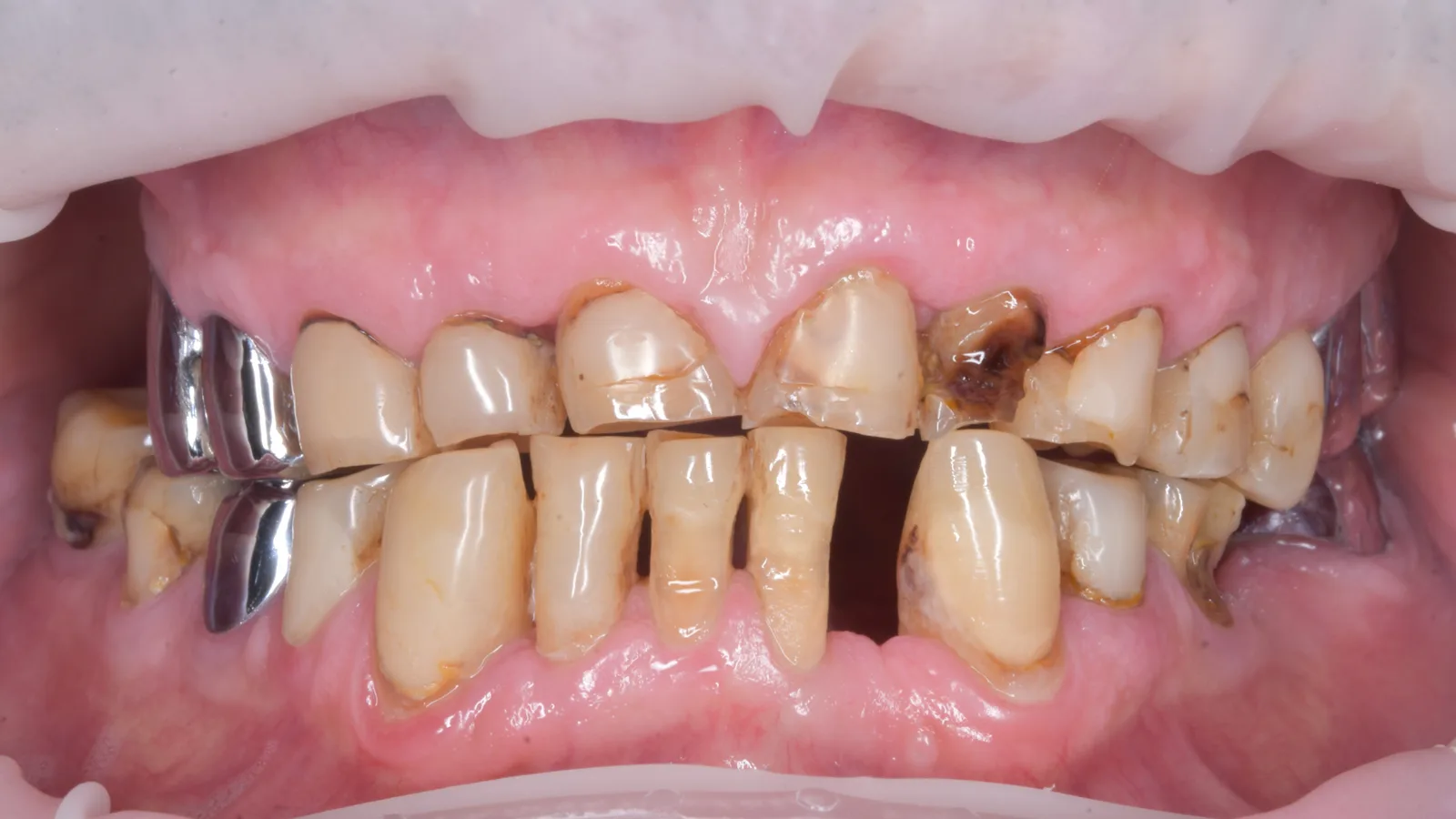 Before
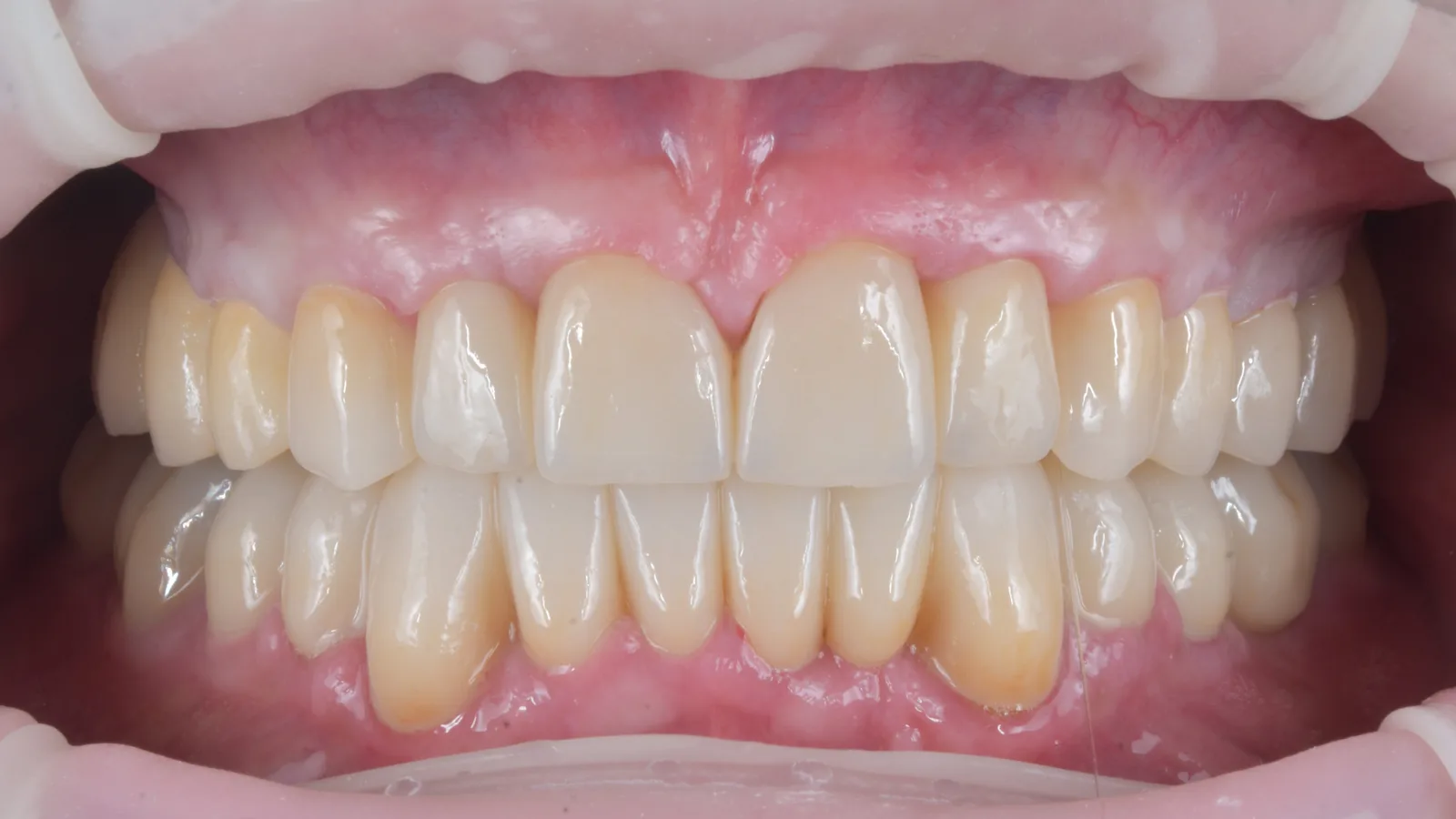 After
AfterFull-Mouth Restoration, Staged by Jaw
Worn and broken-down teeth in both jaws, rebuilt one jaw at a time with therapy, implants and ceramics
View Full Case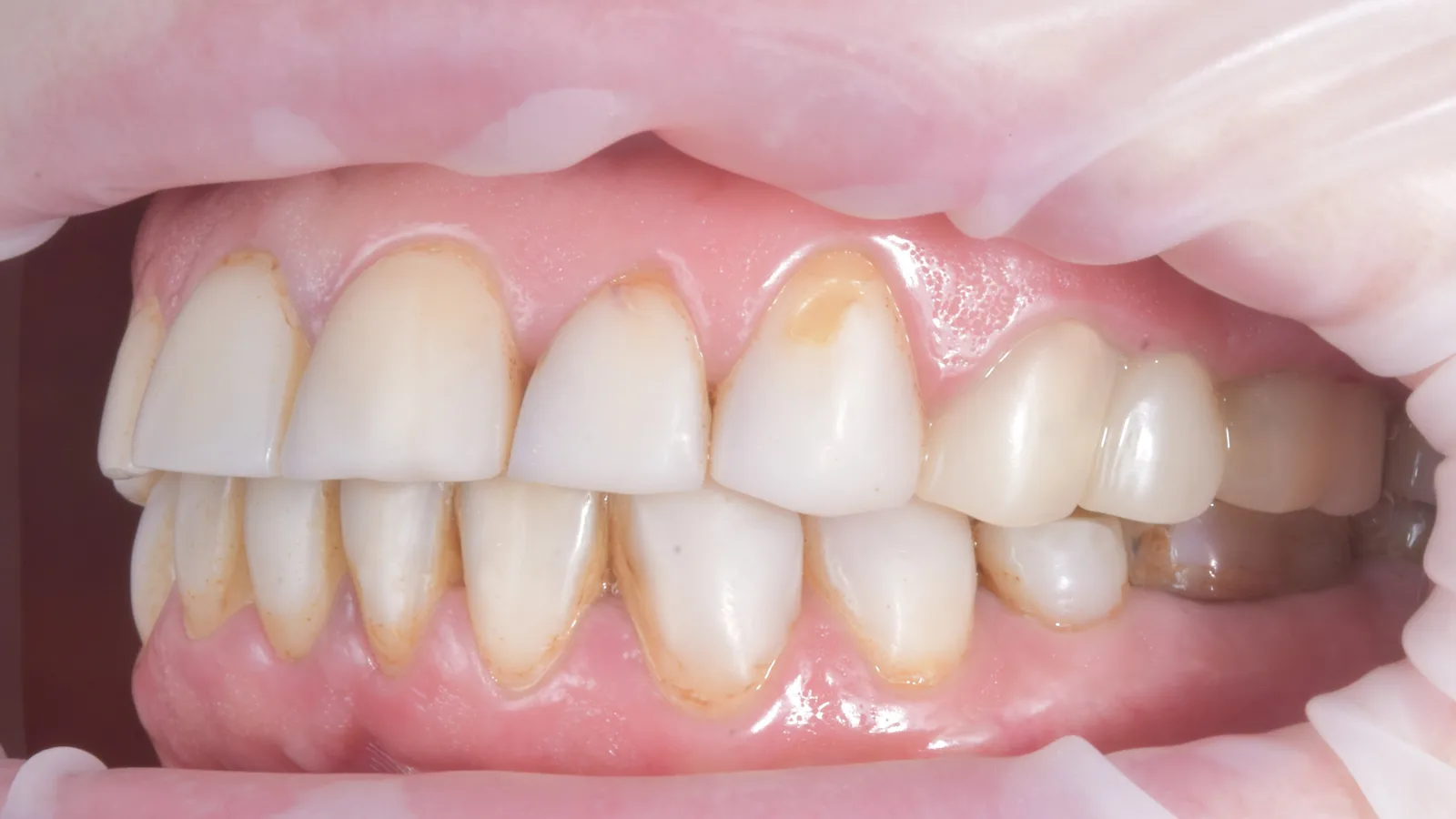 Before
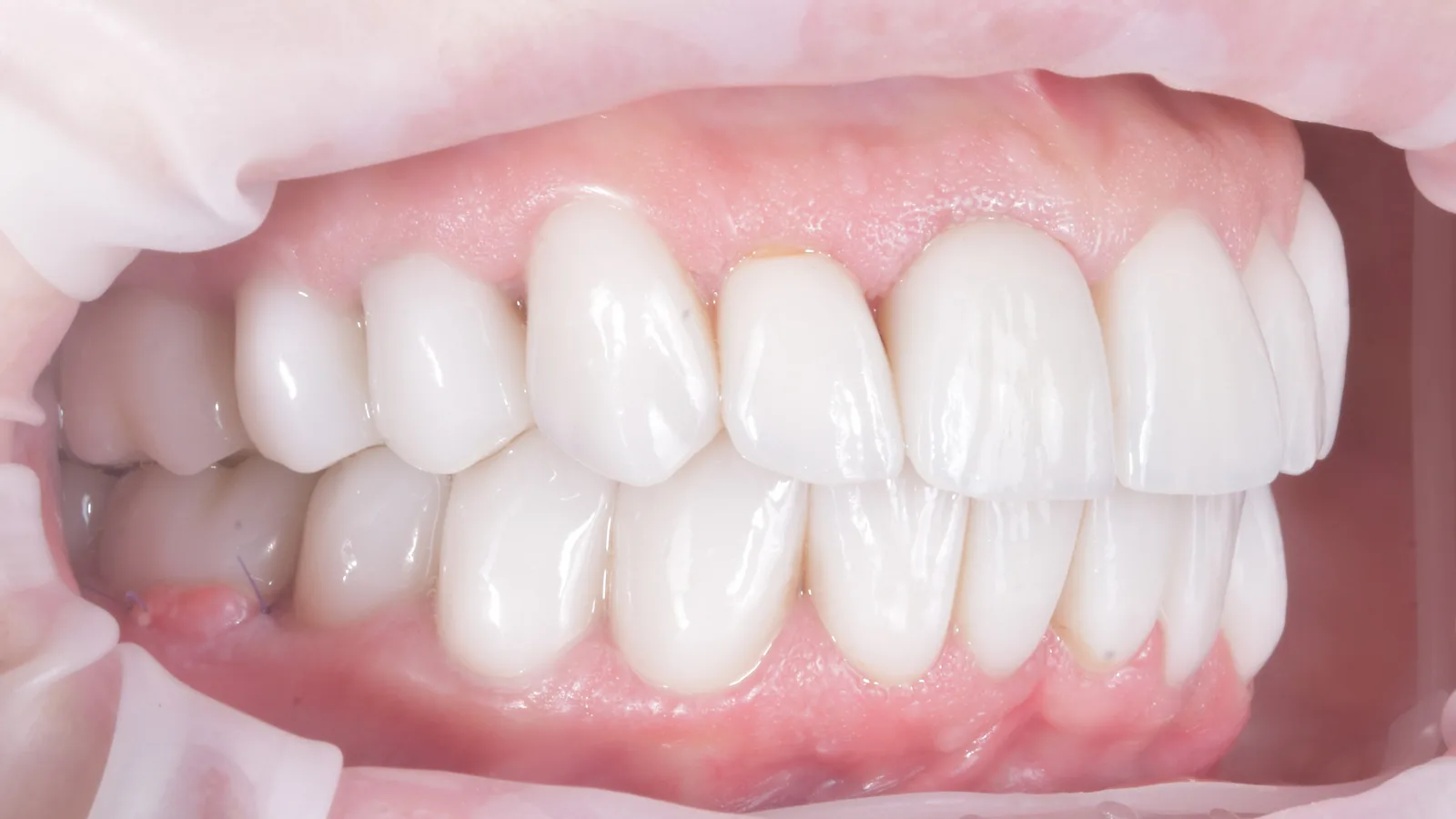 After
AfterFull-Mouth Ceramic Restoration
Both arches rebuilt with root canal treatment, implants and zirconia ceramic crowns
View Full Case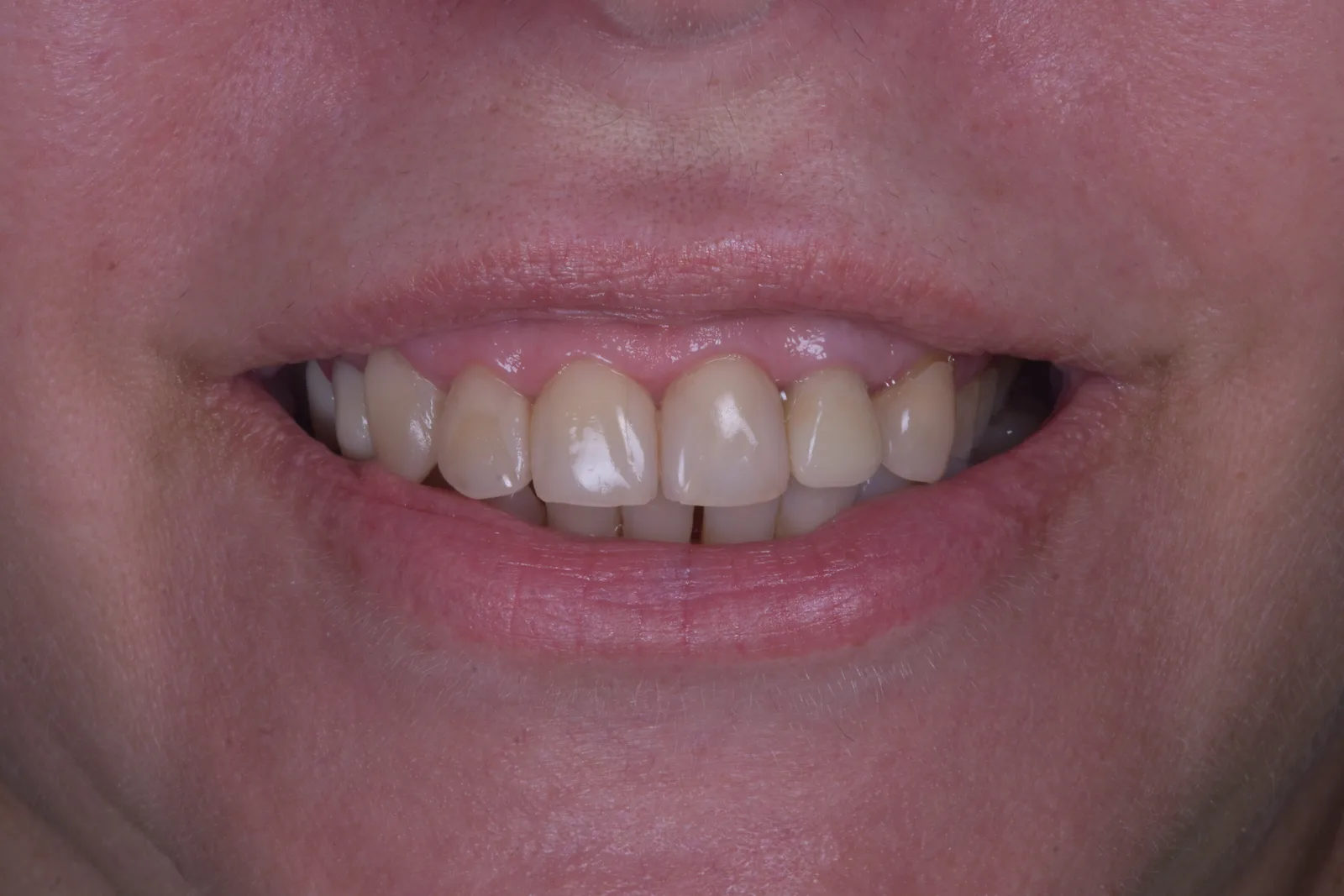 Before
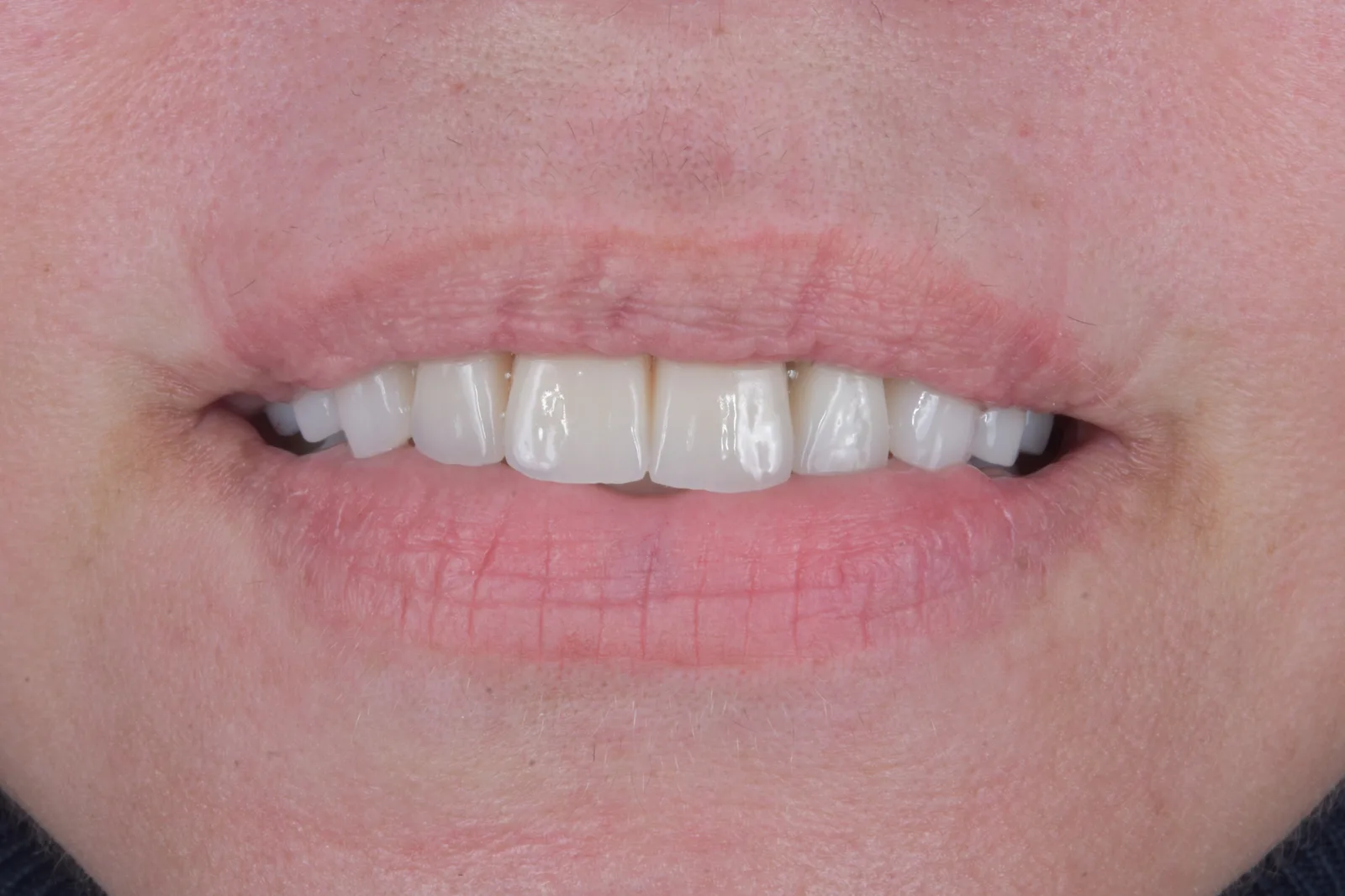 After
AfterCeramic Restoration of Worn Teeth
Shortened, uneven teeth rebuilt to their correct shape and height with ceramic crowns
View Full CaseFAQ
No. Temporary restorations are placed so that you keep functional and presentable teeth at every stage. They also serve a clinical purpose, letting you test the planned bite before the permanent ceramics are made.
Full-mouth restoration is staged by necessity, not by preference. Implants need time to integrate with bone, and the new bite needs to be tested in temporary restorations first. Rushing these steps is the most common reason full-mouth work fails later.
No. The number of implants depends on the plan, not on the number of gaps. In many cases a smaller number of well-positioned implants can support several restored teeth. The doctor determines this from the 3D scan and the bite assessment.
All surgical and restorative stages are performed under local anaesthesia and are painless. Moderate discomfort for a few days after surgical stages is normal and is controlled with pain medication.
With proper hygiene and regular check-ups, ceramic restorations can serve 15 years or more, and implants are designed as a long-term solution. Maintenance visits and a night guard where indicated are what protect that lifespan.
Book a consultation (500 UAH). The doctor carries out a full assessment with a photo protocol and X-ray, then proposes a staged treatment plan with timeframes and costs before any treatment begins.